
Why the Dead Sea Scrolls Still Matter: Rediscovering Voices of the Sacred
Why the Dead Sea Scrolls Still Matter: Rediscovering Voices of the Sacred
July 5, 2025
The Dead Sea Scrolls, unearthed between 1946 and 1956 in the Qumran caves near the Dead Sea, stand as one of the most transformative archaeological discoveries of the 20th century. Comprising nearly 1,000 manuscripts—written in Hebrew, Aramaic, and Greek on parchment, papyrus, and copper—these texts include the earliest known biblical manuscripts, liturgical hymns, wisdom teachings, and sectarian writings. Their discovery revolutionized our understanding of ancient Judaism, early Christianity, and the transmission of sacred texts. Far from being mere relics, the Scrolls continue to resonate, offering insights into the diversity of ancient spirituality and guiding how we speak of the sacred today. This article explores their historical significance, modern relevance, and the evolving methods used to study them, drawing on recent scholarship and technological advancements.
5 Key Takeaways
- Dead Sea Scrolls Confirm Biblical Preservation: Dating to the 3rd century BCE, the Scrolls align closely with modern biblical texts, affirming their accuracy over millennia.
- Diverse Second Temple Spirituality: The Scrolls reveal a pluralistic Judaism with messianic, mystical, and ritual traditions, influencing early Christianity.
- AI-Driven Dating Insights: The 2025 “Enoch” study suggests some Scrolls are older, refining our timeline of sacred texts.
- Rich Sacred Vocabulary: Hymns, visions, and wisdom texts in the Scrolls offer diverse ways to express the sacred, inspiring modern spiritual discourse.
- Timeless Relevance: The Scrolls encourage inclusive, dynamic spiritual expression, blending public and esoteric wisdom for today’s communities.
The Discovery and Contents of the Dead Sea Scrolls
In 1947, Bedouin shepherds discovered the first scrolls in a cave near Qumran, stored in clay jars. Over the next decade, excavations across 11 caves uncovered approximately 15,000 fragments, representing about 972 distinct manuscripts. These texts, dating from the 3rd century BCE to the 1st century CE, offer a window into the religious, cultural, and intellectual life of Second Temple Judaism.
The Scrolls can be categorized into three main groups:
- Biblical Manuscripts: These include complete and fragmentary versions of nearly every book of the Hebrew Bible, such as Isaiah, Psalms, and Deuteronomy. The Great Isaiah Scroll, for example, is one of the most complete and well-preserved texts.
- Parabiblical Writings: Texts like Jubilees and Ben Sira expand on biblical narratives, offering interpretations and additional stories not found in canonical scriptures.
- Sectarian and Mystical Texts: These include the Community Rule, War Scroll, Temple Scroll, Damascus Document, 4QInstruction, and Book of Mysteries, which detail the beliefs, practices, and eschatological hopes of the Qumran community, often associated with the Essenes.
References:
- Wikipedia: Dead Sea Scrolls
- Smithsonian Magazine: The Dead Sea Scrolls Changed Our Understanding
- Dead Sea Scrolls Digital Project
Why the Dead Sea Scrolls Matter: Key Insights
The Scrolls’ significance extends beyond their age, offering profound insights into the transmission of sacred texts, the diversity of ancient spirituality, and the evolution of religious language. Below, we explore their impact through five key lenses, supported by recent scholarship.
1. Validation of Biblical Transmission
Prior to the Scrolls’ discovery, the oldest complete Hebrew Bible manuscripts were from the Masoretic Text, dating to the 10th century CE. The Dead Sea Scrolls, some dating to the 3rd century BCE, pushed this timeline back over a millennium. Remarkably, texts like the Great Isaiah Scroll show striking consistency with later Masoretic versions, with variations primarily in spelling or minor phrasing. This affirms the meticulous preservation of biblical texts across centuries, bolstering confidence in the reliability of modern translations.
Example: The Isaiah Scroll (1QIsaᵃ) aligns closely with the Masoretic Text, with differences often limited to orthographic variations, such as spelling or word order.
References:
- FIRM Israel: Importance of the Dead Sea Scrolls
- Bible Archaeology: The Dead Sea Scrolls and Biblical Transmission
2. Illuminating Second Temple Spirituality
The Scrolls reveal a vibrant and diverse religious landscape during the Second Temple period (516 BCE–70 CE), a time of theological ferment that shaped both Judaism and early Christianity. Key insights include:
- Messianic Expectations: Texts like 4Q521 describe multiple messianic figures, including priestly and royal Messiahs, reflecting the Qumran community’s eschatological hopes. These ideas resonate with early Christian messianic concepts.
- Law and Ritual: The Temple Scroll outlines an idealized vision of Temple worship, claiming divine authority surpassing Solomon’s Temple. It emphasizes purity and ritual precision.
- Mystical and Wisdom Traditions: Texts like 4QInstruction and Book of Mysteries highlight esoteric knowledge and cosmic order, suggesting a mystical dimension to Qumran spirituality.
- Communal Identity: The Community Rule and Damascus Document detail the Qumran community’s strict codes of conduct, communal living, and separation from mainstream Judaism.
These findings reveal a Judaism far more pluralistic than previously understood, with mystical, apocalyptic, and sectarian elements that prefigure Christian and Gnostic traditions.
References:
- PBS: The Mystery and Meaning of the Dead Sea Scrolls
- New Yorker: The Dead Sea Scrolls and Second Temple Judaism
- Wikipedia: Temple Scroll
3. Advancements in Dating Through Technology
Recent technological advances have refined our understanding of the Scrolls’ origins. A June 2025 study, utilizing an AI model named “Enoch,” combined handwriting analysis with radiocarbon dating to analyze 135 scroll fragments. Key findings include:
- Earlier Composition Dates: Some fragments, such as those of Daniel (8–11), may date to the time of their original composition (circa 230 BCE), suggesting rapid textual circulation.
- Script Overlap: Hasmonean and Herodian script styles, previously thought distinct, show overlap as early as 200 BCE, challenging earlier chronologies.
While these findings suggest some Scrolls are older than previously thought, not all scholars agree, citing the need for further validation. These advancements underscore the Scrolls’ antiquity and their role in tracing the development of sacred ideas.
References:
- Live Science: AI Suggests Dead Sea Scrolls Are Older
- The Guardian: Many Dead Sea Scrolls May Be Older
- Science Magazine: AI-Dating Study on Dead Sea Scrolls
4. Shaping the Language of the Sacred
The Scrolls offer a rich tapestry of sacred expression, influencing how we articulate spiritual concepts today. Key linguistic contributions include:
- Consistency of Divine Language: Phrases like “Holy One of Israel,” “Kingdom of God,” and “Suffering Servant” appear in the Scrolls, confirming their early use and enduring resonance in later scriptures.
- Diverse Expressive Forms: The Scrolls include hymns, prayers, apocalyptic visions, and wisdom poetry, showcasing a multifaceted sacred vocabulary that transcends institutional dogma.
- Public vs. Esoteric Knowledge: Texts like 4QInstruction emphasize hidden wisdom, suggesting that sacred truth was both publicly shared and privately cultivated.
- Fluid Messianic Concepts: The presence of multiple messianic archetypes highlights the dynamic nature of divine discourse, contrasting with later, more rigid theological frameworks.
These elements enrich modern spiritual language, encouraging a balance of accessibility and depth.
References:
5. Modern Relevance: Lessons for Today
The Dead Sea Scrolls remain profoundly relevant, offering timeless lessons for how we engage with the sacred in contemporary contexts:
- Continuity of Sacred Language: The Scrolls’ linguistic consistency reminds us that sacred expressions resonate across millennia, grounding modern spiritual discourse in ancient roots.
- Plurality of Expression: The coexistence of hymns, laws, and visions encourages modern speakers to embrace diverse forms of sacred communication, from poetry to personal reflection.
- Balancing Hidden and Revealed Wisdom: The Scrolls’ interplay of public and esoteric knowledge invites us to integrate personal spiritual experiences into communal practice.
- Dynamic Messianic Archetypes: The Scrolls’ varied messianic visions encourage flexible, compassionate approaches to leadership and service in today’s spiritual communities.
By studying the Scrolls, we learn to speak of the sacred with authenticity, embracing both its universal and personal dimensions.
Practical Applications: Speaking the Sacred Today
To apply the Scrolls’ lessons in modern spiritual discourse, consider the following strategies:
- Use Relatable Language: Draw on the Scrolls’ accessible phrases, like “peace of the heart,” to connect with diverse audiences.
- Incorporate Poetic Forms: Use hymns or metaphors inspired by the Scrolls to evoke emotional resonance, e.g., “a light that shines through the chaos.”
- Balance Mystical and Practical: Blend esoteric insights (e.g., personal reflection) with communal practices (e.g., shared rituals) to foster inclusivity.
- Encourage Dialogue: Invite others to share their spiritual experiences, mirroring the Scrolls’ emphasis on community and exploration.
Conclusion
The Dead Sea Scrolls are more than historical artifacts; they are vibrant voices from an ancient sacred tradition. They affirm the enduring power of sacred texts, reveal the diversity of Second Temple spirituality, and enrich our understanding of divine language. With advancements like AI-driven dating, the Scrolls continue to yield new insights, guiding how we articulate the sacred today. By embracing their lessons—simplicity, plurality, and authenticity—we can speak of the sacred in ways that unite rather than divide, fostering connection across time and culture.
References
- Wikipedia. (2025). Dead Sea Scrolls. https://en.wikipedia.org/wiki/Dead_Sea_Scrolls
- Smithsonian Magazine. (2020). The Dead Sea Scrolls Changed Our Understanding of Ancient Judaism and Early Christianity. https://www.smithsonianmag.com/history/dead-sea-scrolls-discovery-180975226/
- FIRM Israel. (2023). The Importance of the Dead Sea Scrolls. https://firmisrael.org/learn/importance-dead-sea-scrolls-biblical-archaeology/
- PBS. (1998). The Mystery and Meaning of the Dead Sea Scrolls. https://www.pbs.org/wgbh/nova/scrolls/
- Oxford Academic. (2021). The Dead Sea Scrolls and Sacred Language. https://academic.oup.com/jss/article-abstract/66/1/1/6164633
- Live Science. (2025). AI Analysis Suggests Dead Sea Scrolls Are Older Than Thought. https://www.livescience.com/dead-sea-scrolls-older-ai-analysis.html
- The Guardian. (2025). Many Dead Sea Scrolls May Be Older Than Thought, Experts Say. https://www.theguardian.com/science/2025/jun/05/dead-sea-scrolls-older-than-thought
- Science Magazine. (2025). AI-Dating Study Suggests Some Dead Sea Scrolls Are Older. https://www.science.org/content/article/ai-analysis-suggests-dead-sea-scrolls-older
- Wikipedia. (2025). Temple Scroll. https://en.wikipedia.org/wiki/Temple_Scroll
- Wikipedia. (2025). 4QInstruction. https://en.wikipedia.org/wiki/4QInstruction
Introduction
The Dead Sea Scrolls, discovered between 1946–56 in caves near Qumran, represent one of the most significant archaeological discoveries of the 20th century. These nearly 1,000 parchment, papyrus, and copper texts—mostly in Hebrew, with Aramaic and Greek—offer the earliest manuscripts of biblical books, as well as liturgies, wisdom teachings, and sectarian writings. Their emergence profoundly transformed our understanding of ancient Judaism and early Christianity scholarsarchive.byu.edu+8blog.oup.com+8m.youtube.com+8firmisrael.org+3en.wikipedia.org+3the-sun.com+3.
The Discovery and Contents
In 1947, Bedouin shepherds stumbled upon Cave 1 and found jars containing the first scrolls. Subsequent excavations in 11 caves uncovered over 15,000 fragments from around 972 manuscripts en.wikipedia.org+1smithsonianmag.com+1.
These texts fall into three main categories:
- Biblical manuscripts: Include complete and fragmentary versions of Isaiah, Psalms, Deuteronomy, and others.
- Parabiblical writings: Jubilees, Ben Sira, and other literature.
- Sectarian rules and mystical texts: Community Rule, War Scroll, Temple Scroll, Damascus Document, 4QInstruction, Book of Mysteries, etc. m.youtube.com+15deadseascrolls.org.il+15academic.oup.com+15livescience.com+5en.wikipedia.org+5firmisrael.org+5en.wikipedia.org.
1. Validation of Biblical Transmission
Before their discovery, the oldest complete Hebrew biblical texts dated to the Masoretic Text (circa 10th century CE). The Dead Sea Scrolls pushed that timeline back some 1,000 years, showing remarkable consistency with modern versions—variations being minor and mostly orthographic—thereby affirming that the Scripture we read today was accurately preserved for over two millennia firmisrael.org.
2. Insight into Second Temple Spirituality
The scrolls shed light on a vibrant and diverse Jewish religious landscape around the time of Jesus. They include:
- Messianic expectations: Multiple figures, including priestly and royal Messiahs, were anticipated by groups like the Essenes reddit.com+15firmisrael.org+15pbs.org+15.
- Law and ritual elaboration: The Temple Scroll offers an idealized version of Temple worship, claiming it reflects Moses’ original intent, surpassing Solomon’s design en.wikipedia.org+1newyorker.com+1.
- Mystical and wisdom traditions: Texts like 4QInstruction (wisdom) and Book of Mysteries emphasize secret knowledge and cosmic order en.wikipedia.org.
- Community identity: The Damascus Document and Community Rule reveal strict communal life, purity laws, and moral codes en.wikipedia.org+1firmisrael.org+1.
These findings reveal layers of mystical, liturgical, and esoteric traditions beyond mainstream Temple-centric Judaism—many of which echo later Christian and Gnostic elements.
3. Enhanced Dating through AI and Radiocarbon
A June 2025 study applied an AI model named “Enoch”—trained on handwriting analysis and confirmed by radiocarbon dating—to date 135 scroll fragments. It found that:
- At least two biblical scroll fragments date to the time their texts were originally composed (e.g., Daniel 8–11 scroll from as early as 230 BCE).
- Script styles (Hasmonean and Herodian) overlap by 200 BCE, contrary to prior chronologies as.nyu.edu+15smithsonianmag.com+15m.youtube.com+15the-sun.comlivescience.com+1the-sun.com+1.
These advances sharpen our understanding of when core biblical ideas and sacred language were in circulation—and affirm the ancient origin of messianic and wisdom traditions.
4. Implications for Language of the Sacred
Consistency of Text
The close alignment with later scripture confirms that phrases describing the divine—like “Holy One of Israel,” “Kingdom of God,” and “Suffering Servant”—were established and circulated centuries before later interpretations.
Diverse Expressive Forms
The scrolls feature prayers, hymns, apocalyptic visions, and wisdom poetry, thus offering a multifaceted sacred vocabulary unlike later institutional scripture.
Secret vs. Public Teachings
Texts like 4QInstruction or Book of Mysteries emphasize hidden, initiatory knowledge—suggesting that sacred truth was not only public but also esoterically cultivated.
Messianic Fluidity
The presence of multiple Messiahs and expectations further reveals that early divine discourse was nuanced, not monolithic—unlike later, more rigid doctrinal lines.
5. Relevance Today: Speaking of the Sacred
1. Language evolves—but the soul listens
The scrolls show continuity in sacred phraseology, reminding us that our own spiritual expressions have roots that resonate across millennia.
2. Sacred speech is plural
By acknowledging the coexistence of hymns, laws, visions, and teachings, modern spiritual discourse can be enriched with layered forms, not just sermons or catechisms.
3. Hidden and revealed wisdom align
The interplay between public scripture and hidden knowledge encourages integration of personal, mystical experience into communal spirituality.
4. Messianic concepts must remain dynamic
Multiple divine archetypes—priestly, kingly, and suffering servant—offer templates for understanding roles of leadership, service, and compassion in today’s spiritual paths.
Conclusion
The Dead Sea Scrolls are far more than historical artifacts or biblical curiosities—they are living voices from an unfiltered sacred tradition. They testify to the durability of revered words and the diverse ways early communities experienced the divine. With new technologies like AI sharpening our view, these ancient voices continue to guide how we speak—softly, richly, and authentically—about the sacred.
References
- Wikipedia, “Dead Sea Scrolls” en.wikipedia.orgacademic.oup.com+5reddit.com+5neh.gov+5
- Smith‑sonian, “The Dead Sea Scrolls Changed Our Understanding…” smithsonianmag.com
- Bible Archaeology, “What is the importance…” biblearchaeology.org
- OUP Blog, “Contemporary significance…” blog.oup.com+1livescience.com+1
- AI-dating study “some Dead Sea Scrolls are older…” science.org+1pbs.org+1
- PBS, “The Mystery and Meaning…” pbs.org
- Various Wikipedia entries: Temple Scroll, 4QInstruction, Book of Mysteries, Damascus Document en.wikipedia.org+1en.wikipedia.org+1
Would you like me to generate a PDF download, sidebar quotes, or add guided journaling prompts to enhance this for your WordPress audience?
Recent News on Dead Sea Scrolls Dating & Significance
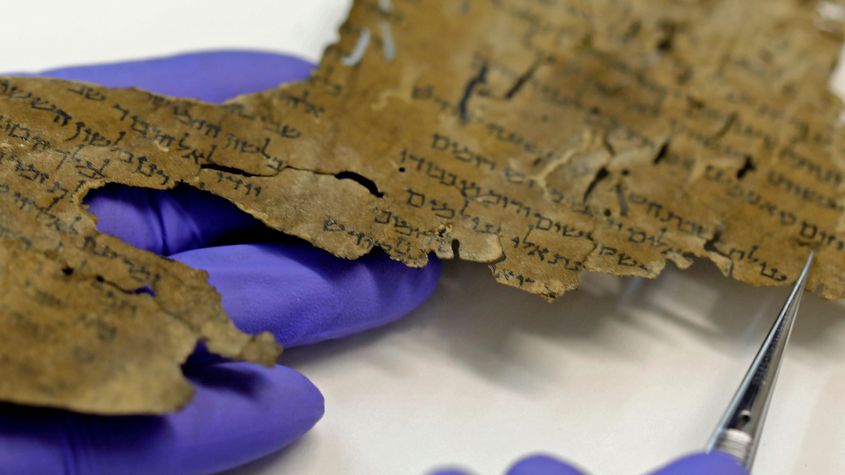

Many of Dead Sea scrolls may be older than thought, experts say

Bill writes for people who value clarity over comfort and depth over doctrine.
His work explores spirituality without dogma, mindfulness without performance, and truth grounded in lived experience. Drawing from Buddhist, early Christian, and Hindu contemplative traditions, alongside modern psychology, he focuses on what can actually be felt, practiced, and integrated into daily life.
Mindfully Pure is for those who are spiritual but not religious, curious but discerning, and seeking insight without losing their footing in the real world.