
What Was Left Out of the Bible?
The Bible is often viewed as a finished masterpiece, but for centuries, it was a work in progress. What we read today is the result of a massive historical ‘edit,’ one that left incredible stories on the cutting room floor and now represents only a curated selection from a much larger library of sacred writings.
Over centuries, human decisions, shaped by theology, politics, culture and even chance determined what made the cut and what was set aside. What if exploring these “left out” texts could deepen our understanding of faith, history and the human search for meaning?
What May Have Been Lost
As these texts fell away, Christianity gradually shifted from an inward, experiential path toward a belief-centered one. Wisdom, inner knowing, and direct insight gave way to doctrine, hierarchy, and orthodoxy. This wasn’t necessarily corruption, but it was a narrowing.
Imagine discovering hidden scrolls that describe fallen angels teaching forbidden knowledge, or gospels where Jesus shares mystical sayings emphasizing inner awakening. These aren’t modern fiction, they’re real ancient documents excluded from the standard Bible that gives us sometimes a much different narative of who Jesus and others were, and what they really taught.
The Apocrypha: Books Once Beloved, Later Removed
In the early Christian era, many Bibles included additional books now called the Apocrypha (or Deuterocanonical books). These appeared in the Septuagint (the Greek Old Testament used by early Christians) and were part of Latin Vulgate Bibles for over a thousand years.
Here are standout examples:
- Book of Tobit — A captivating tale blending romance, adventure, and angelic intervention. A young man, guided by the archangel Raphael in disguise, defeats a demon, marries, and heals his family. It feels like a biblical fairy tale with moral depth.
- Wisdom of Solomon — Poetic reflections on divine wisdom, immortality, and righteousness, influencing early Christian thought on the soul.
- 1 and 2 Maccabees — Historical accounts of the Jewish revolt against Greek oppression, including the miracle of Hanukkah. They provide crucial context for Jewish resistance and martyrdom.
- Ecclesiasticus (Sirach) — A rich collection of ethical teachings, proverbs, and praise for wisdom, often quoted by early Church fathers.
Catholic and Eastern Orthodox Bibles still include these books, viewing them as inspired. Protestant reformers like Martin Luther removed them in the 16th century, arguing they weren’t part of the Hebrew canon and sometimes supported doctrines like prayers for the dead.
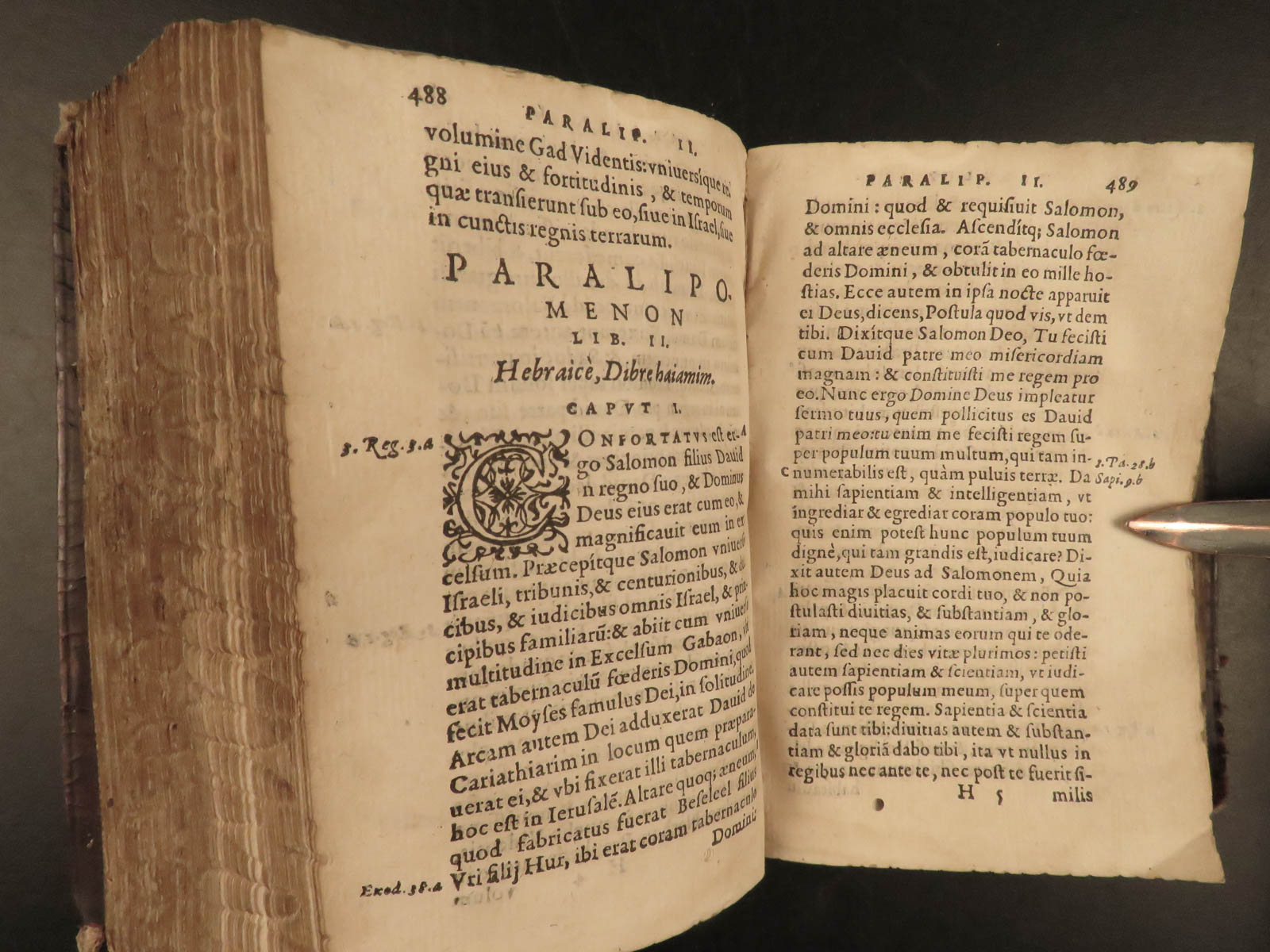
A rare 1587 Vulgate Bible showing the Apocrypha integrated into the Old Testament

These pages from historic Bibles show how the Apocrypha were once seamlessly integrated into Scripture.
The Dead Sea Scrolls: A Time Capsule of Ancient Judaism
In 1947, Bedouin shepherds stumbled upon jars in caves near the Dead Sea containing the oldest known biblical manuscripts—dating back to 250 BCE–68 CE. These scrolls revolutionized biblical studies.
They include:
- Nearly complete copies of every Old Testament book (except Esther).
- Variations from the later Masoretic Text used in most modern Bibles, revealing textual evolution.
- Non-canonical works like the Book of Jubilees (a retelling of Genesis with angelic calendars) and multiple copies of the Book of Enoch.
The scrolls were likely hidden by the Essenes, a ascetic Jewish sect, offering a glimpse into diverse Second Temple Judaism that influenced early Christianity.
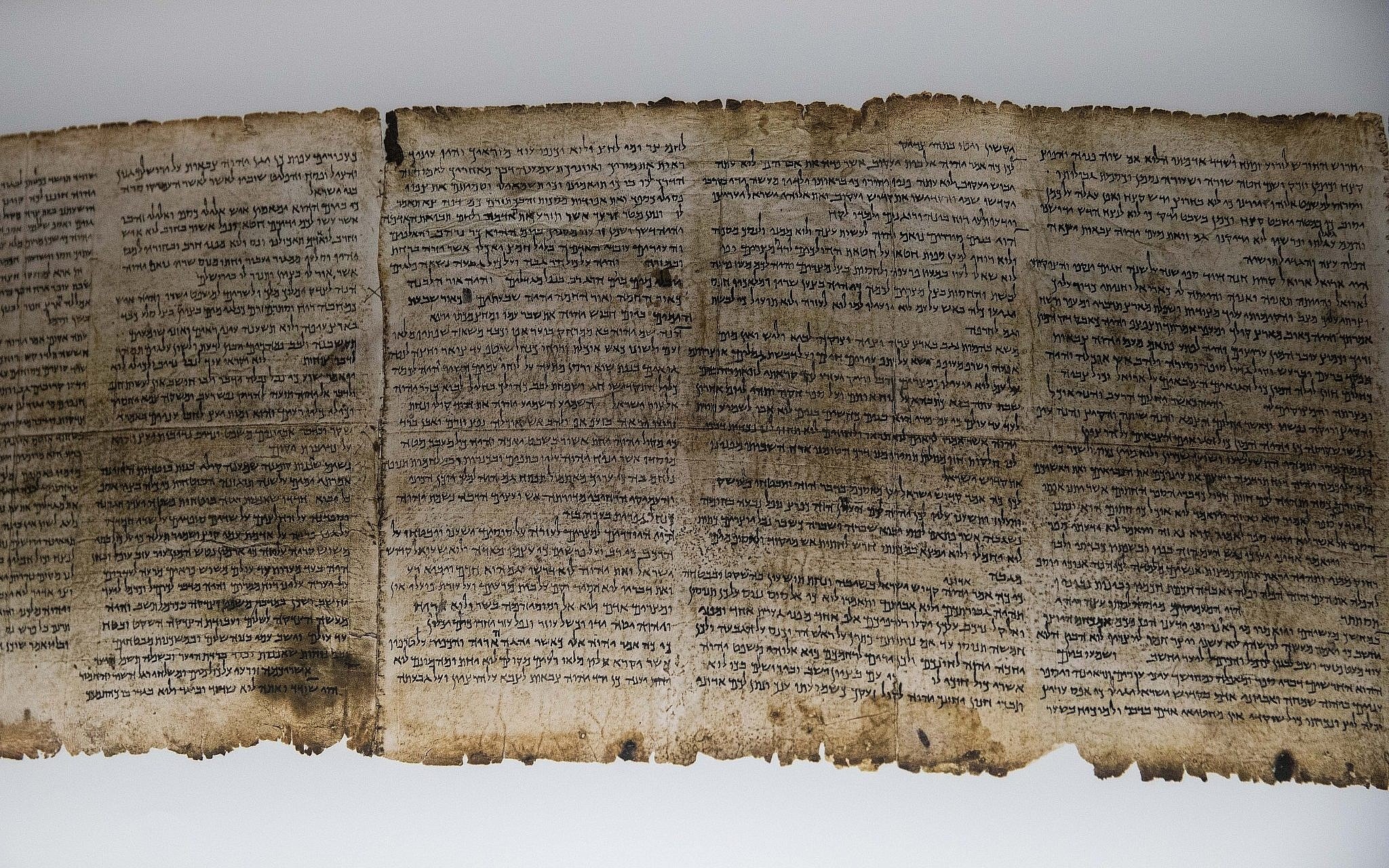
/https://tf-cmsv2-smithsonianmag-media.s3.amazonaws.com/filer/09/49/09494ecb-90f3-4a37-8c6a-d56bfbee2792/scroll_fragments.jpg)
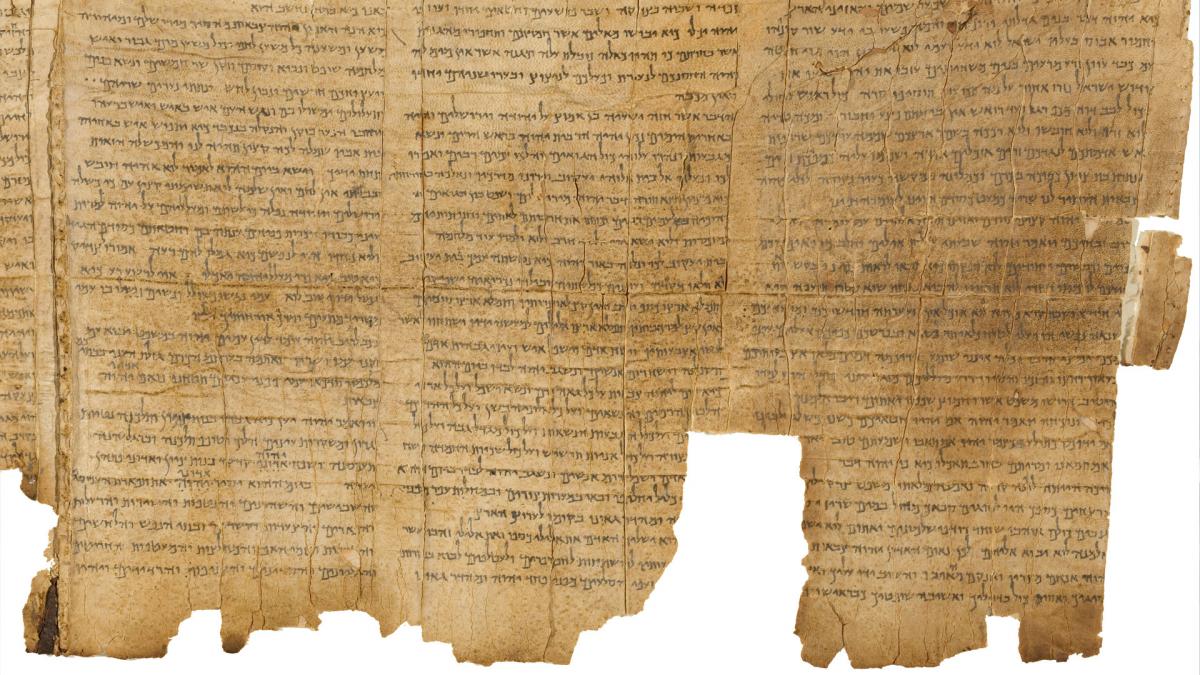
These fragile fragments, preserved for millennia, whisper of a richer, more varied scriptural landscape.
The Gnostic Gospels: Alternative Visions of Jesus
In 1945, a farmer in Nag Hammadi, Egypt, unearthed a jar of 13 leather-bound codices containing over 50 texts—mostly Gnostic writings from the 2nd–4th centuries CE. These present Jesus as a revealer of secret knowledge (gnosis) for spiritual liberation, often portraying the material world as flawed.
Key examples:
- Gospel of Thomas — A collection of 114 sayings of Jesus, many mystical: “Jesus said, ‘If you bring forth what is within you, what you bring forth will save you. If you do not bring forth what is within you, what you do not bring forth will destroy you.'” It emphasizes inner divinity over sacrifice.
- Gospel of Mary Magdalene — Elevates Mary as a favored disciple receiving hidden teachings, challenging patriarchal narratives.
- Gospel of Judas — Portrays Judas as fulfilling a divine plan by betraying Jesus, freeing his spirit from the body.
From the Gospel of Thomas: “If you bring forth what is within you, what you bring forth will save you. If you do not bring forth what is within you, what you do not bring forth will destroy you.”
Early Church leaders condemned these as heretical for conflicting with emerging orthodoxy, emphasizing Jesus’ humanity, resurrection, and institutional authority.
Why it matters today: These texts resonate with modern “spiritual but not religious” seekers who prefer personal experience over institutional dogma.

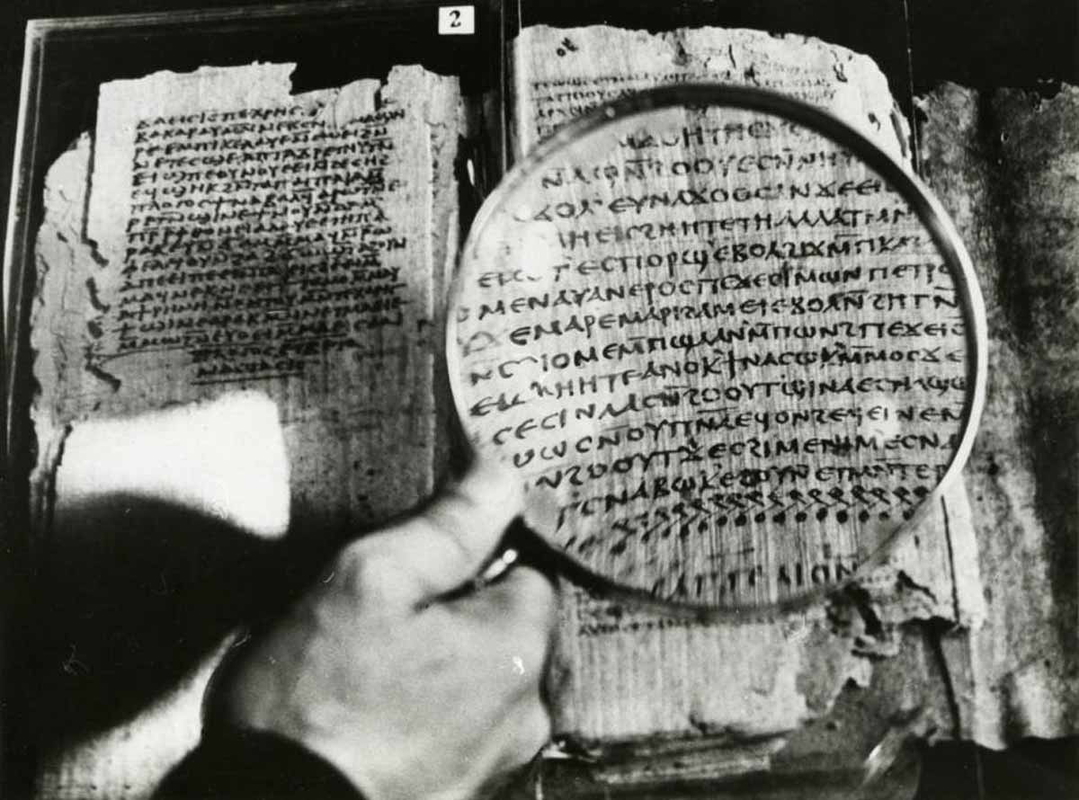

The Nag Hammadi codices and related fragments reveal suppressed voices that highlight mystical dimensions of early Christianity.
Other Lost or Rejected Treasures
Beyond these major finds:
- Book of Enoch — Vividly describes fallen angels (Watchers), cosmic journeys, and judgment. Quoted in Jude, it’s canonical only in the Ethiopian Orthodox Church.
- Shepherd of Hermas — A popular early Christian visionary text with parables and moral guidance, read as scripture by many Church fathers.
- Didache — An early “manual” for Christian living, baptism, and Eucharist.
- Infancy Gospels — Stories of young Jesus performing miracles (sometimes playfully or harshly), like animating clay birds.
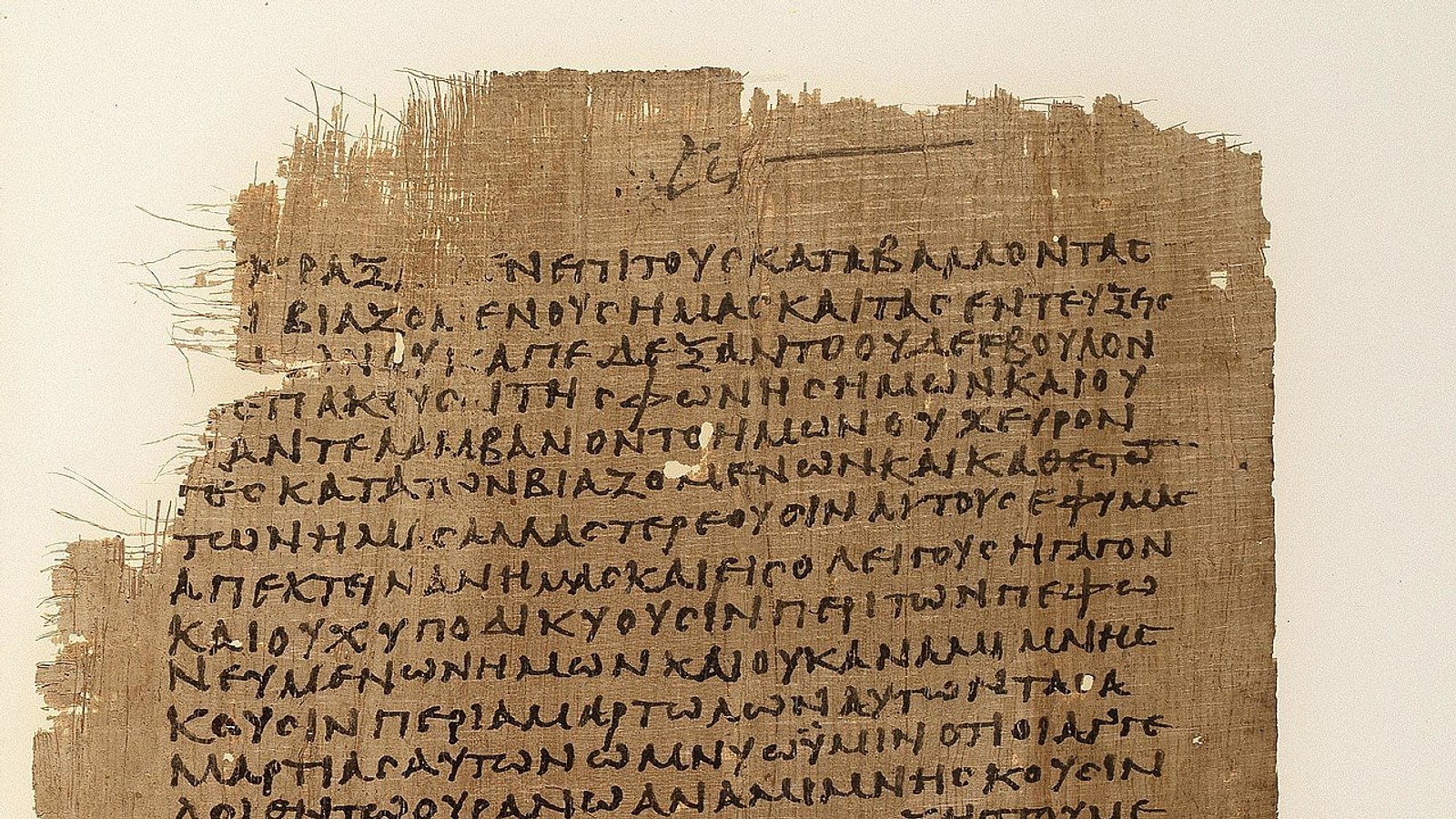
The Book of Enoch Manuscript – World History Encyclopedia
These texts influenced art, literature, and theology but were eventually sidelined.
Why it matters today: It’s the origin story for much of our modern pop-culture imagery regarding angels, demons, and the apocalypse.
What Was Altered or Redacted?
The Bible wasn’t frozen in time. It evolved through:
- Translation Shifts — Hebrew “alma” (young woman) became “virgin” in Greek (Isaiah 7:14), bolstering Virgin Birth doctrine.
- Multiple Authorship — The Pentateuch combines sources (J, E, P, D) with distinct styles and emphases.
- Council Decisions — Bodies like Carthage (397 CE) formalized the canon, often favoring texts supporting Church unity and authority.
- Intentional Edits — Scribes added the Johannine Comma (1 John 5:7) to support the Trinity—absent in earliest manuscripts.

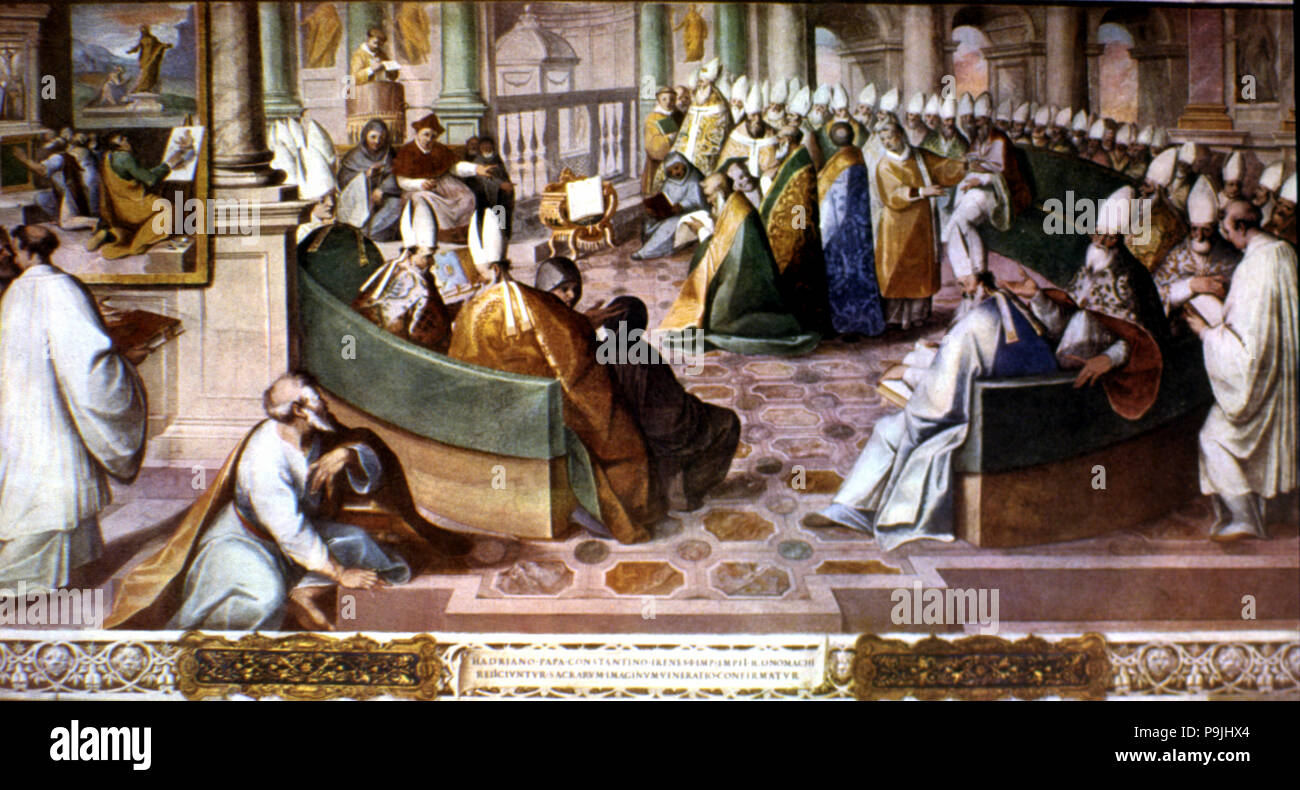
Historical depictions of councils remind us: sacred texts were shaped by human hands in dramatic settings.
The Bigger Picture: A Living Tradition
The Bible is a masterpiece of collective consciousness—divinely guided for many, yet undeniably human in its formation. Exclusions preserved coherence but silenced diverse perspectives. From a mystical viewpoint, this isn’t loss but evolution.
As the Upanishads declare: “Truth is one; sages call it by many names.”
From Zen: “Don’t seek the truth, just cease to cherish opinions.”
Rather than fear what was left out, explore it. Read the Gospel of Thomas, ponder Enoch’s visions, reflect on Tobit’s faith. These texts invite inward listening—what resonates with your own experience of the divine?
The canon may be closed, but the conversation is open. What hidden scripture calls to you? Dive in, and let the excluded voices enrich your path.
Most people assume the Bible fell from the sky, complete and untouched.
In reality, it emerged through centuries of debate, politics, power struggles, and deeply human choices.
What we call “Scripture” is not just what was written, it is what survived.
A Very Short Canon Timeline
- 300 BCE – Hebrew texts translated into Greek (Septuagint)
- 1st–2nd century CE – Dozens of Jesus traditions circulate
- 325–397 CE – Church councils formalize canon
- 1517–1600s – Protestant reformers remove Apocrypha
1. The Apocrypha
These are books that were once included in some versions of the Bible (especially in the Septuagint and early Christian Bibles), but were removed or considered non-canonical by later Protestant reformers.
- Examples:
- Book of Tobit
- Wisdom of Solomon
- 1 and 2 Maccabees
- Ecclesiasticus (Sirach)
These are still included in Catholic and Eastern Orthodox Bibles but excluded from most Protestant versions.
2. The Dead Sea Scrolls
Discovered in 1947, these scrolls include versions of Old Testament texts and previously unknown Jewish writings. They:
- Show variations from the Masoretic Text (the standard Hebrew version used in most Bibles)
- Include books like The Book of Enoch and Jubilees that were revered by early Jewish sects but not included in the canon.
3. Gnostic Gospels (Nag Hammadi Library)
These are early Christian texts discovered in Egypt in 1945 that present very different views on Christ, the soul, and salvation.
- Examples:
- Gospel of Thomas – a collection of Jesus’ sayings, many esoteric or mystical
- Gospel of Mary Magdalene – presents Mary as a close disciple with hidden teachings
- Gospel of Judas – depicts Judas not as a traitor, but as the one who helped Jesus fulfill his mission
These were declared heretical by early church councils, especially because they conflicted with the emerging orthodox narrative.
4. Other Lost or Rejected Texts
- Book of Enoch: Quoted in the Book of Jude in the New Testament, but excluded from the Bible except in the Ethiopian Orthodox Church.
- Shepherd of Hermas: Was widely read and considered scripture by early Christians.
- Epistle of Barnabas, Didache, and others: Considered valuable but eventually excluded.
Myth: The Bible was secretly altered to deceive humanity
Reality: Most changes happened in the open — through councils, copying traditions, and theological debates — often with sincere intentions.
What Has Been Altered or Redacted?
1. Translations Shift Meaning
- The original texts were written in Hebrew, Aramaic, and Greek.
- Translation into Latin (Vulgate), and later English (e.g. King James Version), often introduced interpretation.
- Example: The Hebrew word “alma” (young woman) was translated as “virgin”, leading to the doctrine of the Virgin Birth.
2. Edits and Redactions Over Time
- Biblical scholars widely agree that books like Genesis, Exodus, and even the Gospels went through multiple stages of authorship and editing.
- For example, the Pentateuch (first five books of the Bible) is thought to be a composite of multiple sources:
- J (Yahwist), E (Elohist), P (Priestly), D (Deuteronomist)
3. Council Decisions on Canon
The Council of Nicaea (325 CE) and Council of Carthage (397 CE) helped formalize what was considered “orthodox” Scripture.
- Political motivations played a role: Texts that supported centralized Church authority were favored.
- Gospels that presented Jesus as purely divine were selected over ones with humanizing or mystical elements.
4. Edits to Align with Doctrines
- In some cases, scribes made intentional edits to fit evolving theology:
- The Trinity doctrine influenced additions like 1 John 5:7 (“…the Father, the Word, and the Holy Ghost: and these three are one”), which doesn’t appear in the earliest manuscripts.
- Some verses were added or modified to emphasize Jesus’ divinity or downplay his Jewishness.
So What’s the Bigger Picture?
The Bible as we know it is a curated text, divinely inspired to many, but historically shaped by human hands.
From a spiritual perspective, especially through a mystical, Hindu or Zen lens, this is not necessarily a corruption. It’s simply the way collective consciousness shaped its sacred story for a particular time and people.
As the Upanishads would say:
“Truth is one; sages call it by many names.”
And from a Zen view:
“Don’t seek the truth, just cease to cherish opinions.”
Rather than clinging to one version of the truth, a spiritual seeker may find value in studying what’s included and what’s left out, recognizing patterns, and listening inwardly for what resonates.

Bill writes for people who value clarity over comfort and depth over doctrine.
His work explores spirituality without dogma, mindfulness without performance, and truth grounded in lived experience. Drawing from Buddhist, early Christian, and Hindu contemplative traditions, alongside modern psychology, he focuses on what can actually be felt, practiced, and integrated into daily life.
Mindfully Pure is for those who are spiritual but not religious, curious but discerning, and seeking insight without losing their footing in the real world.